

Family life · 4 min read
Slipperlies and other words worth keeping
Keep the funny things your children say in a little family dictionary, with their words, the setting and a few ways to remember the sound too.
FAMILY LIFE
Write a birthday letter to your child with small, specific details and a simple outline. A little portrait in words, without a yearly deadline.
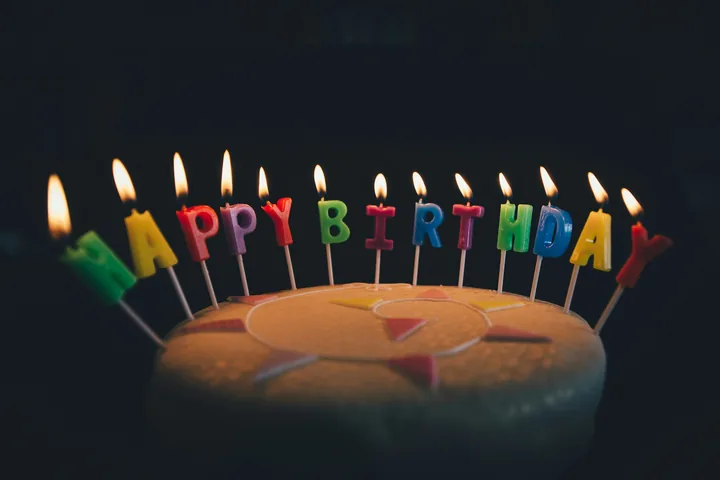
A birthday letter gives you a place to write about the child in front of you this year. What makes them laugh. The things they talk about. The strange little habit you suspect you will forget unless you put it on the page now.
It can be short. It can be late. You do not need to write it in a quiet house, which is fortunate, because quiet houses tend to be elsewhere on birthdays.
The aim is to leave them a little portrait in words, written by somebody who knows them.
Before writing a proper letter, jot down a few observations:
Look for details rather than labels. “You stop to inspect every drain cover on the way home” gives a reader more to picture than “You are inquisitive”. That is an invented example; your own detail will have its own particular charm.
You don't need a balanced report. This letter is not going to a headteacher. A funny detail and a kind sentence may be enough to begin.
Tell a moment in a few lines. Where you were, what happened, and what made it yours. It could be an ordinary afternoon rather than the holiday or the birthday party.
If you are stuck, look at a handful of photographs or messages. Choose something that brings the scene back, rather than trying to summarise the entire year.
Include your part in it. What did you notice? What did you enjoy? What did they show you that you might otherwise have missed? The letter can hold your relationship as well as their achievements.
Be careful about stories they might find embarrassing. A memory can be meaningful without preserving every awkward moment for a future birthday audience.
This is where the smaller notes you keep through the year can help. Kins, our upcoming app, has a collection for their favourites and wishes, with a way to look back as those answers change. Kins Wrapped also brings together the saved memories from birthday to birthday. Those little records can give your letter a starting point: the song, the toy, the phrase you might otherwise have forgotten. The letter itself can stay entirely your own.
Say what you love about being with them. Keep the words you would actually use in a conversation. You don't need to become a poet for the duration of one envelope.
Try not to make affection sound dependent on performance. Their place in your family does not need supporting evidence from a school certificate or a tidy bedroom.
A hope for the coming year can be small: a place you would like to go together, something you would like to learn, or more time for an activity you both enjoy. Leave room for their interests to change. The child who likes dinosaurs this year is allowed to discover trains next year.
Use these as starting points, not a form to fill in:
The final sentence can be plain. “I'm glad I get to be your dad” or your own version of it does not need improving with three more paragraphs.
Some letters are for a child to read now. Some are kept for later. You can also write a private note for yourself and a separate letter for them.
Add their age, the date you wrote it and your name. If you are writing a catch-up letter, be clear that it is based on what you remember now. You do not need to backdate it.
Keep the letters together and make a copy of paper originals you would miss. If a yearly habit suits you, lovely. If you write one letter every few years, those letters still have a place.
For smaller notes between birthdays, try ordinary family memories. For their own words, save a little family dictionary beside yours.
Family life · 4 min read
Keep the funny things your children say in a little family dictionary, with their words, the setting and a few ways to remember the sound too.
Family life · 3 min read
Gentle questions to ask grandparents and older relatives about ordinary childhood days, family sayings and the stories nobody has thought to ask for.
