
Family life · 4 min read
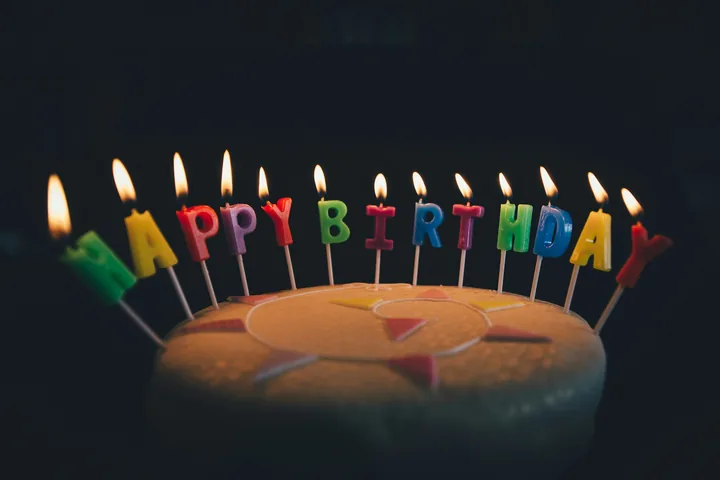
A birthday letter to the child they are this year
Write a birthday letter to your child with small, specific details and a simple outline. A little portrait in words, without a yearly deadline.
FAMILY LIFE
Keep the funny things your children say in a little family dictionary, with their words, the setting and a few ways to remember the sound too.

In our house, slippers became “slipperlies”. We still call them that. It is a word that means very little outside our family and a great deal inside it.
Children make these little changes to language all the time. A word comes out sideways, an explanation takes an unexpected turn, and suddenly everyone in the house is saying the new version. Years later, you may remember that there was a funny word without quite remembering what it was.
Write it down while it still belongs to today. A family dictionary can begin with one entry, and it does not need alphabetical dividers.
When a sentence makes you laugh, save the child's wording rather than the tidier version you might tell a friend later.
You can add spelling that helps you remember the sound. If you are unsure how to write it, a brief voice note may be easier. Do not let perfect transcription delay the note until you have forgotten what happened.
For longer conversations, keep the part you can remember clearly. You can label it “roughly what they said” if it is an approximation. A family archive does not need quotation marks around words you are reconstructing.
Avoid improving the punchline. Their own logic is usually doing plenty of work already.
A word on its own is lovely. A word with a setting is a story.
Save four things:
For our word, a short entry could read: “Slipperlies: our family word for slippers. One we still use.” You do not have to know the original date to keep the word now.
For your own entry, a sentence about the setting might mention a toy, a journey or the question they were answering. You do not need to describe the entire afternoon, although an afternoon spent explaining why the moon doesn't need a coat may have quite a lot going on.
Ask about the world they see. What do they think a machine does? Why has the bird landed there? What is the creature in their drawing thinking about?
You are listening for their explanation, not setting a quiz. If they want to tell you more, follow the thought. If they are finished, let them be finished.
Some answers are funny. Some are thoughtful. Some make perfect sense once you realise which detail they noticed. A note about their reasoning can show who they were at that stage in a way a posed photograph cannot.
A family saying can be affectionate and still be private. Think about how your child might feel hearing a sentence repeated in front of other people, especially as they get older.
Ask before sharing a recording or retelling something that belongs to an older child. If they ask you to stop using a nickname or funny word about them, listen. You can keep a private memory without turning it into their permanent introduction.
And sometimes a remark is simply funny to the people who were there. It does not need to become a public post with a caption explaining the comedy.
A phone note called “The things they say”, a notebook page or a folder of dated clips can all work. Put the newest entry in the same place as the last one, rather than scattering the dictionary across six message threads.
Kins, which we’re getting ready to launch, has a place for quotes as well as voice recordings. You can keep their wording, who said it and a note about the scene, then mark the ones you especially love as favourites. A little look inside the app shows how those words sit beside the pictures and sounds of family life.
For recordings, try our little voice guide. For pictures that need their explanation saved beside them, see keeping children's artwork.
Write down one word you already use at home. You may discover you have been speaking a very small, very particular language for years.
Family life · 4 min read
Write a birthday letter to your child with small, specific details and a simple outline. A little portrait in words, without a yearly deadline.
Family life · 3 min read
Gentle questions to ask grandparents and older relatives about ordinary childhood days, family sayings and the stories nobody has thought to ask for.
